
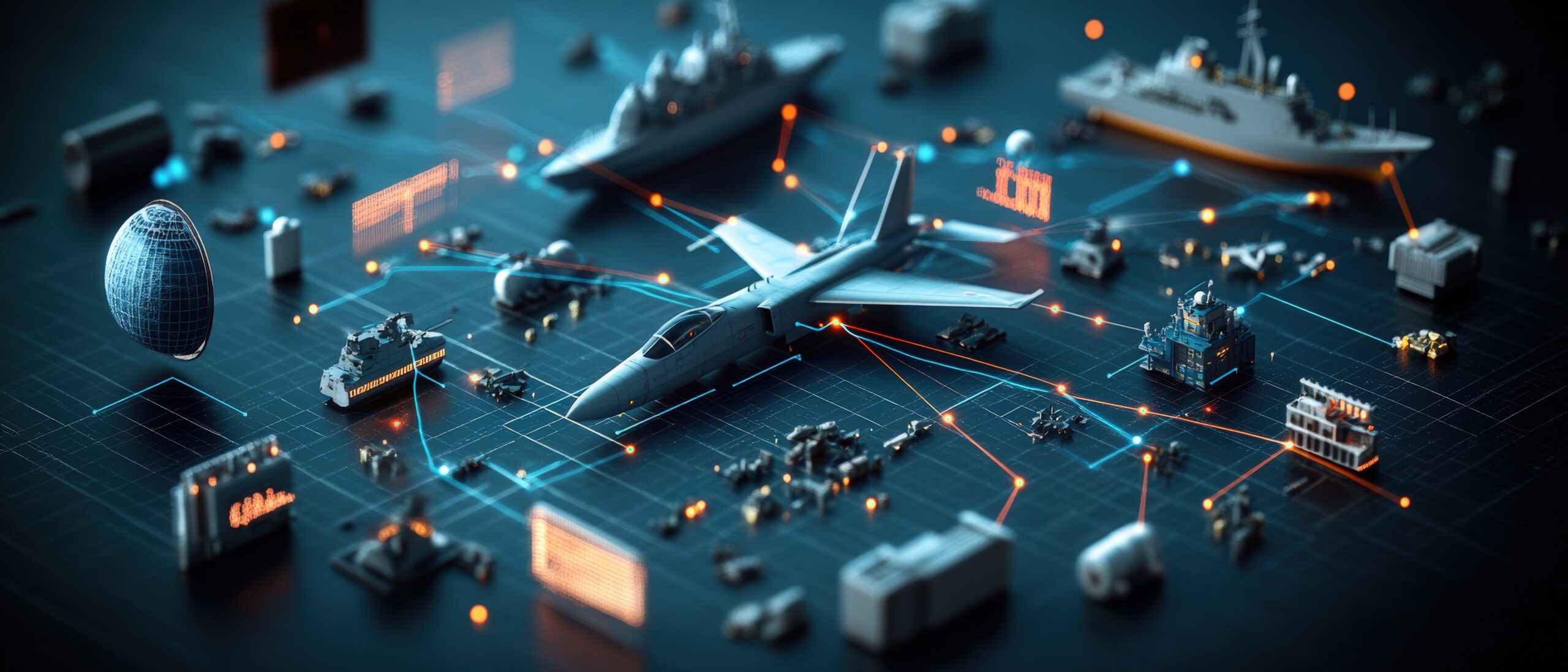
MOSA defines how modern systems are supposed to be built. In practice, most programs struggle to maintain that openness once systems are fielded.
Integration becomes platform-specific. Applications are tightly coupled. Data does not move cleanly across systems. What starts as modular architecture becomes difficult to change.
This is where execution breaks down.
STRATIA addresses this at the software layer. It separates applications from the underlying platform, allowing them to operate across systems without being rewritten. Data and services are shared across domains, enabling capabilities to move with the mission instead of being tied to a specific system.
As new technologies are introduced, they integrate into the existing environment instead of forcing a rebuild. Legacy systems can evolve without being replaced. Programs retain flexibility as requirements change.
This is how open architectures remain open over time. Integration scales. Capability is reused. Systems adapt without the delays and cost that typically come with change.
Systems Stay Connected
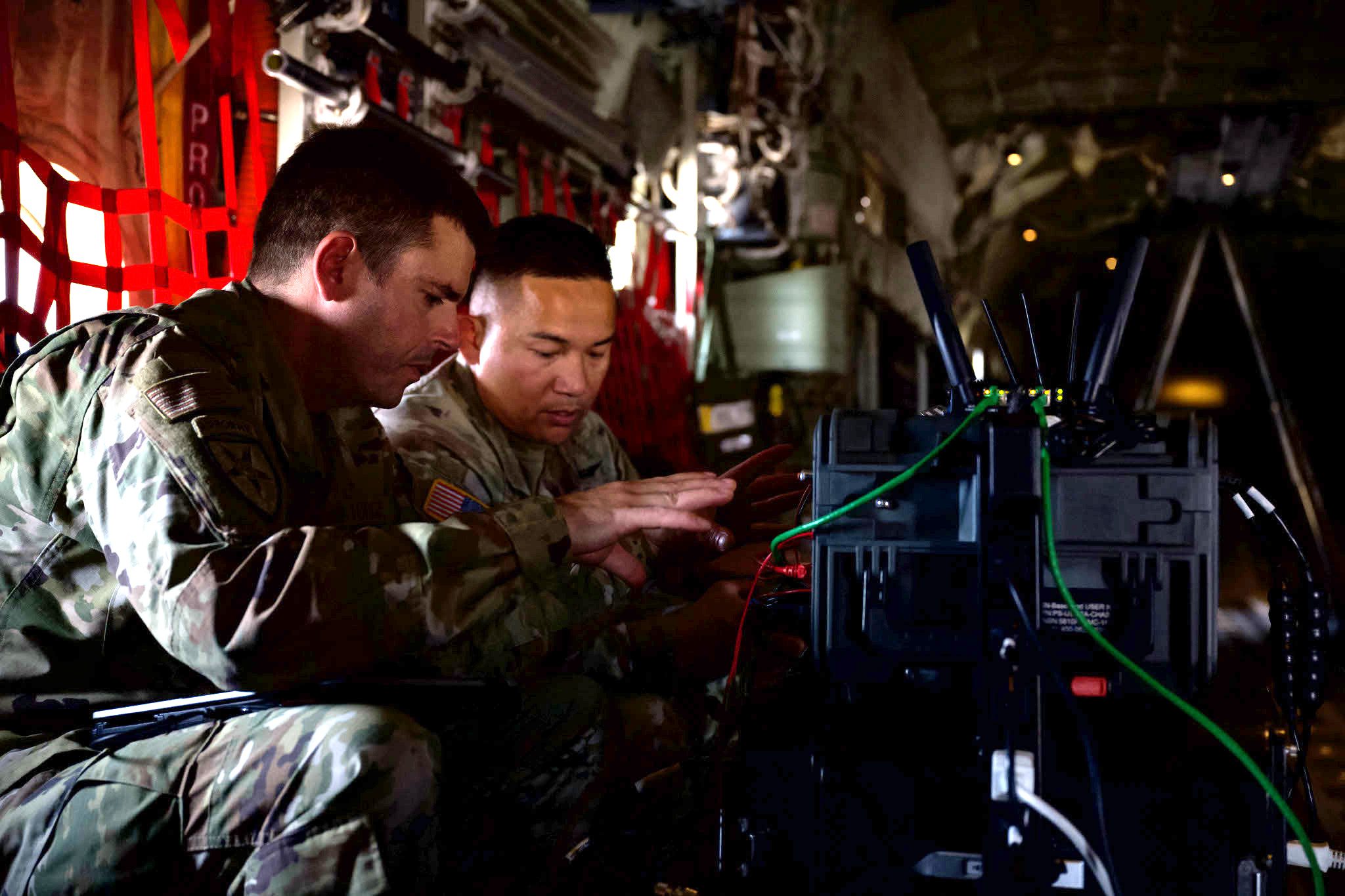
Modern missions rely on networks that don’t naturally work together. Different radios. Different protocols. Constantly changing conditions.
That’s where systems fail.
STRATIA keeps systems connected across all of it. Data moves. Applications communicate. Connectivity holds as conditions change.
This is how information keeps flowing and operations continue without interruption.
Navigation That Holds Under Pressure
GPS is not guaranteed. Signals are degraded, denied, and disrupted when it matters most.
That’s where systems fail.
Together with our edge compute hardware, STRATIA maintains positioning and timing by continuously adapting across multiple sources. As conditions change, accuracy holds without reliance on any single input.
Platforms continue to navigate, operate, and execute when others cannot.
AI at the Edge
Data is only useful if it leads to action. In contested environments, there is no time to process, move, and decide.
That’s where systems fall behind.
STRATIA brings AI directly to the edge. Data is processed in place. Models adapt as conditions change. Decisions happen in real time without waiting on centralized systems.
This is how information becomes action and operations move at the speed required to keep pace with the mission.